
Family Class Immigration
Spousal Sponsorship Canada
Reuniting families is at the heart of Canada’s immigration system. Shirani Daniel, RCIC-IRB, guides Edmonton residents through inland and outland spousal sponsorship applications for spouses, common-law partners, and conjugal partners.

Inland vs. Outland Sponsorship
Spousal and partner sponsorship involves more than choosing an inland or outland label. The application class, the applicant's temporary status, any work authorization and planned travel need to be reviewed together. Shirani Jenita Daniel, RCIC-IRB, reviews your circumstances before recommending an application route.

Spouse or Common-Law Partner in Canada Class
A sponsorship route with requirements specific to couples in Canada. Residence, relationship evidence and the applicant's circumstances need individual assessment. Temporary status and work authorization are separate questions.
Family Class
A sponsorship route whose requirements should be assessed against the couple's circumstances, including residence and travel plans. Physical presence in Canada alone does not determine which class applies.
Who Can Sponsor?
Start Your Sponsorship Application
Spousal sponsorship errors cause significant delays. Shirani reviews every file before submission.
Book Consultation ($50 + Tax) (825) 435-1101Common Refusal Reasons
Imprint reviews all files proactively for these issues before submission.

Genuine relationship evidence
The file has to tell the story of your relationship.
Officers assess whether a relationship is genuine and not entered into primarily for immigration. Photographs, messages, shared finances and statements from people who know you are organised into a file that reads clearly.

Spousal Sponsorship FAQ
Processing times change regularly and differ between the inland and outland classes and between visa offices. IRCC publishes its current estimates on its processing times tool, and that is the only figure to rely on. Shirani checks the current estimate with you during your application and tells you if it changes.
No. A permanent residence application is not a work permit. A separate open work permit pathway exists for certain sponsored spouses and partners in Canada, subject to the current requirements on IRCC's page. Your partner's existing authorization and any new application each need their own review.
A spouse is someone you are legally married to. A common-law partner has cohabited in a conjugal relationship with you for at least one continuous year. A conjugal partner is someone in a committed relationship with you for at least one year, but cohabitation has not been possible due to legal or immigration barriers. The documentation requirements differ for each category.
The available response depends on the application class, the decision and the applicable rules. Not every refusal carries the same appeal right, so the refusal letter and the application that was submitted need to be read together before choosing a route. Where an appeal to the Immigration Appeal Division is available, Shirani is authorized as an RCIC-IRB to represent clients there. Have the refusal reviewed promptly so any applicable deadline is identified.
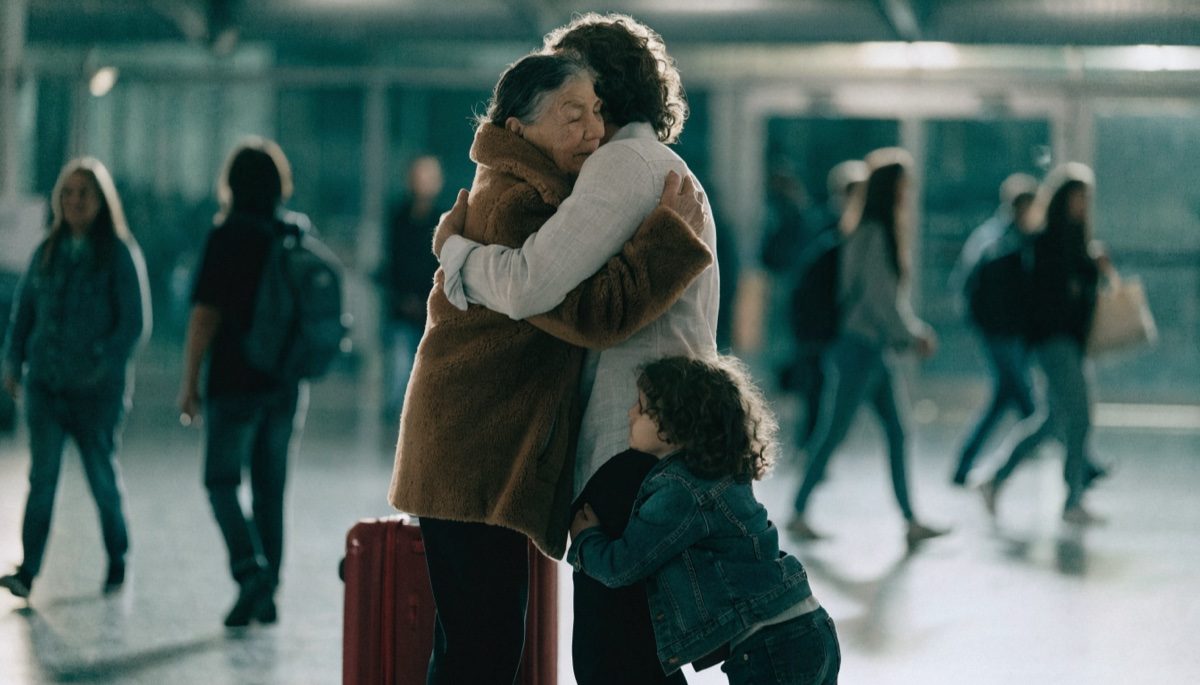


You should not have to guess whether your relationship evidence is enough.
A licensed RCIC-IRB reviews your relationship evidence and confirms which sponsorship route fits.
30 minutes with a licensed RCIC-IRB. $50 + Tax. No obligation to proceed.
This article is general information and is not immigration advice. Advice about your own situation comes from a consultation with Shirani Jenita Daniel, RCIC-IRB, CICC Licence R705794. Representation begins only once a retainer is signed.